Why Hiring an RCAT Licensed Roofer Matters for Your Home
I have spent the better part of twenty years working on roofs across North Texas, and if there is one thing I have learned, it is that the person holding the hammer matters as much as the shingles they are nailing down. A few years back, a neighbor hired a crew that showed up with a pickup truck and a handshake. The job looked fine for the first month. Then the first heavy spring storm hit, and water found every gap they had left. That is when I started paying close attention to credentials, especially the ones that actually mean something in this region.
One credential that carries real weight around here is the RCAT Licensed Roofer designation. RCAT stands for the North Texas Roofing Contractors Association, and it is not something you get by mailing in a check. To earn that license, a contractor has to demonstrate knowledge of local building codes, pass an exam, and carry proper insurance and workers' compensation. It also means they have agreed to follow a code of ethics. For a homeowner, that is a layer of protection you do not get from a general handyman or a crew that works out of a van with a magnetic sign.
What Makes the RCAT License Different
There are plenty of roofing companies in Texas, and the state does require a roofing contractor license Texas for certain types of work. But the RCAT license goes a step further. It is specific to the North Texas climate and the building practices that work here. The Texas Roofing Law sets minimum standards, but the North Texas Roofing Contractors Association holds its members to a higher bar. When you see that credential, you know the roofer has put in the time to understand how our heat, hail, and occasional ice storms affect different materials.
I remember talking to a rep from GAF at a trade show a few years ago. He told me that the biggest problem they see in the field is improper installation, not defective shingles. A quality RCAT Licensed Roofer knows how to handle materials from GAF, Owens Corning, CertainTeed, TAMKO, and Malarkey Roofing the right way. They understand that a shingle nailed too tight can crack, and that an underlayment installed too loose can wrinkle and trap moisture. Those details matter, and they are the difference between a roof that lasts twenty years and one that starts leaking in five.
Materials and Methods That Hold Up
Choosing the right material for your roof is a decision that should be based on your home's pitch, your budget, and the weather patterns where you live. Asphalt shingles are still a common choice in North Texas because they do a good job shedding water and they cost less than some other options. But they need a solid base and proper roof ventilation to keep the attic cool and prevent moisture buildup. Without ventilation, even the best shingles can curl and fail early.
For flat or low-slope roofs, many commercial buildings and modern homes use TPO roofing membrane. It is a single-ply material that reflects heat, which helps with energy bills in our long summers. But TPO requires careful welding of the seams and proper attachment at the edges. That is where roof flashing comes in. Flashing is the metal or membrane material that seals transitions around chimneys, skylights, and walls. A roofer who knows their trade will pay as much attention to the flashing as to the main field of the roof. Water always finds the weak spots.
Another material I have grown to respect is metal roofing. It lasts a long time and stands up to hail better than asphalt shingles. But metal expands and contracts with temperature changes, so the installation has to allow for movement. An RCAT Licensed Roofer will know how to handle that, and will also know when to use a synthetic underlayment instead of felt paper. Synthetic underlayments are lighter and more tear-resistant, and they can make a real difference in how the roof performs over time. Under the shingles or metal, a layer of ice and water shield along the eaves can prevent ice dams from backing water up under the roofing. Even in Texas, we get enough freezing weather to make that protection worthwhile.
How to Find a Roofer You Can Trust
If you are looking for a roofer, start by checking the Better Business Bureau for any complaints and how they were resolved. Then look at review sites like Angie's List and HomeAdvisor. Those platforms verify at least some of the reviews, which cuts down on fake feedback. I also recommend asking on Nextdoor. Your neighbors will tell you the truth, and you can see who has been working in your area for years.
When you narrow it down to a few candidates, ask for their license number and verify it with the Texas Department of Licensing and Regulation. Then ask if they are an RCAT Licensed Roofer. That question alone tells you something. A roofer who holds that license will be proud to show it. Someone who does not may try to brush it off as unnecessary. In my experience, the ones who brush it off are often the ones who have not passed the exam or do not carry proper insurance.
Questions to Ask Before You Hire
- Are you an RCAT Licensed Roofer? (Yes or no tells you a lot.)
- What manufacturer warranties do you offer for materials like GAF or Owens Corning?
- How do you handle roof ventilation and ice and water shield installation?
- Can you provide references from jobs done in the last two years?
- Do you carry workers' compensation and liability insurance?
Getting clear answers to those questions will save you headaches later. A good roofer will not rush you. They will explain why they recommend one material over another and what the trade-offs are. For example, CertainTeed shingles might cost a little more than a generic brand, but they have a better track record in high wind. TAMKO makes a good synthetic underlayment that breathes well, but it needs to be installed with the right overlap. Those are the details a licensed professional knows.
The Bigger Picture: Roofing and Community
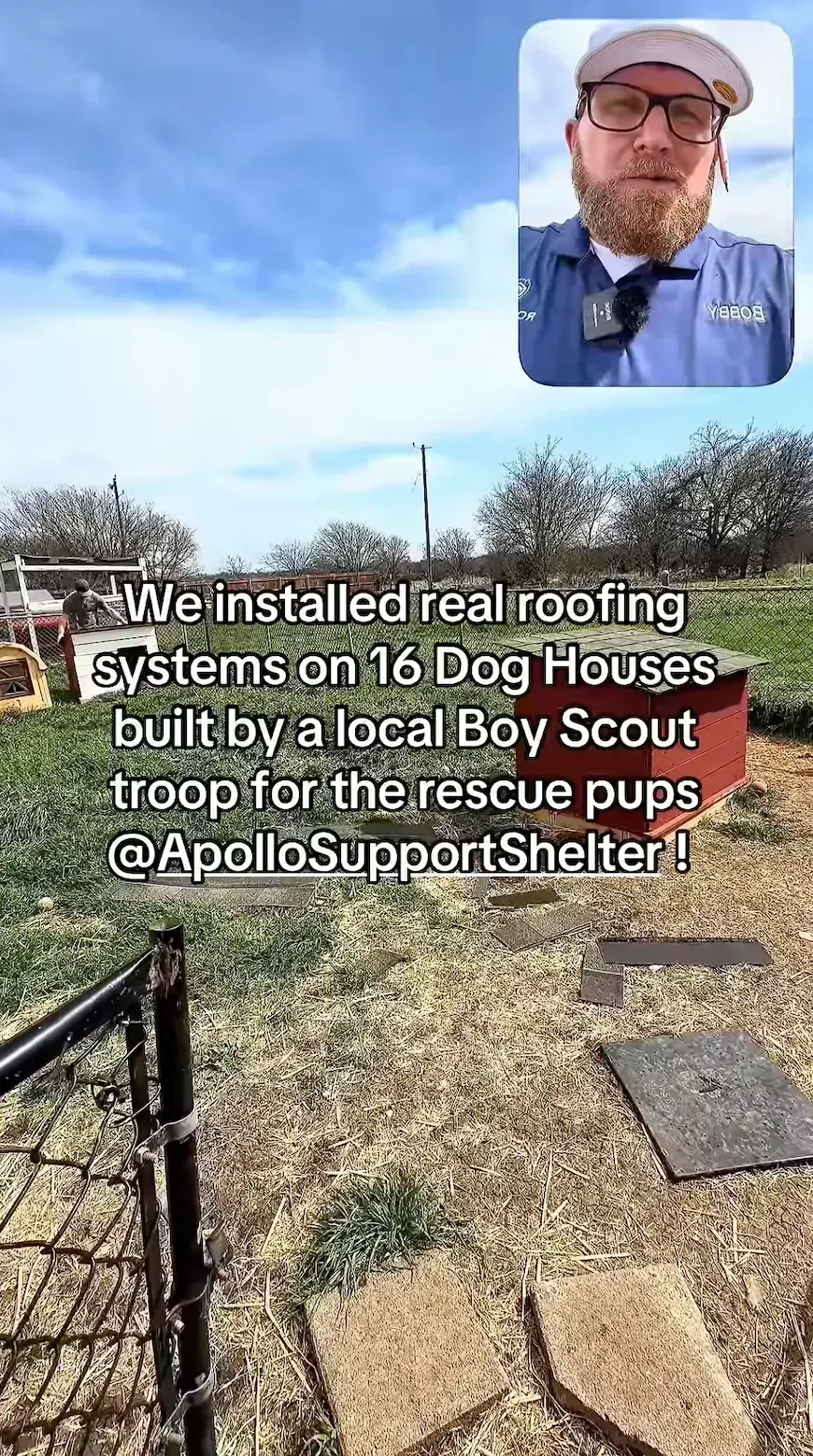
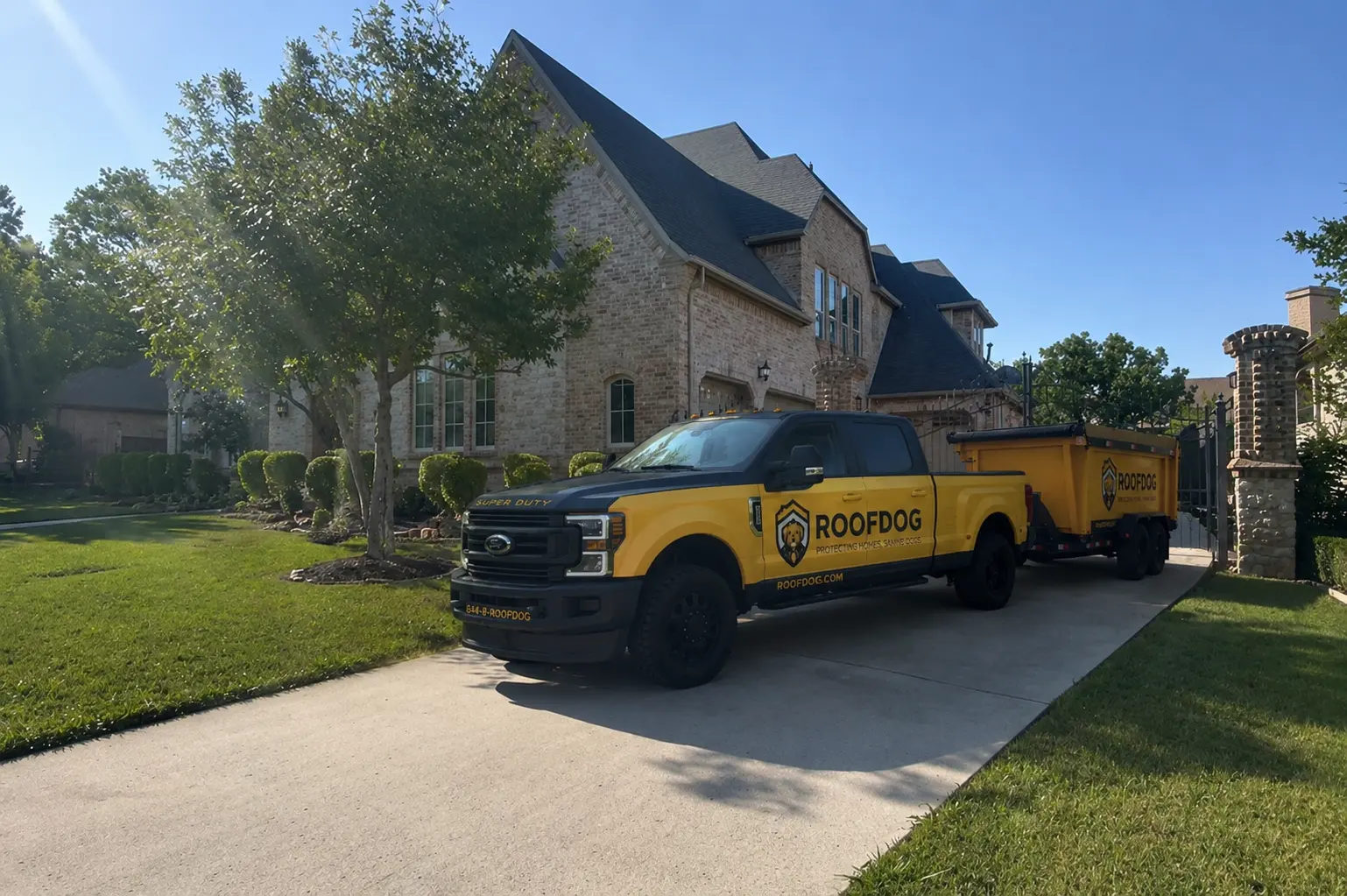
Roofing is a tough business. It is hot work, and it takes a toll on your body. The best roofers I know are the ones who take pride in doing the job right, even when no one is watching. They also tend to be the ones who give back to their communities. Some roofing companies, like RoofDog in North Texas, donate a portion of their profits to an animal rescue non-profit. That kind of thing matters. It shows that the people running the company care about something beyond the bottom line.
When you hire an RCAT Licensed Roofer, you are not just getting someone who can nail shingles. You are getting someone who has invested in their own education, who follows a code of ethics, and who is accountable to an association that enforces standards. That peace of mind is worth a lot, especially when a storm is coming and you need to know your roof will hold.
I have seen too many homeowners cut corners on roofing to save a few hundred dollars, only to end up paying thousands for repairs later. A roof is not the place to bargain hunt. It is the one thing between your family and the elements. Take the time to find a qualified contractor. Ask the right questions. And if you see that RCAT credential, you can feel confident that you are talking to someone who knows what they are doing.